What's CODE SWITCH? It's the fearless conversations about race that you've been waiting for. Hosted by journalists of color, our podcast tackles the subject of race with empathy and humor. We explore how race affects every part of society — from politics and pop culture to history, food and everything in between. This podcast makes all of us part of the conversation — because we're all part of the story. Code Switch was named Apple Podcasts' first-ever Show of the Year in 2020.
Similar Podcasts

El hilo
Cuando alguien comparte un hilo en redes sociales sabemos que nos va a contar una historia, o dar análisis y contexto que no hemos visto en otro lado. Este podcast es todo eso: una invitación a profundizar las historias más importantes de la semana en América Latina. Todos los viernes en la mañana Eliezer Budasoff y Silvia Viñas te ayudan a entender las noticias más allá de los titulares. Más en elhilo.audio El hilo es un podcast de Radio Ambulante Estudios. Hosted on Acast. See acast.com/privacy for more information.
You're Wrong About
Mike and Sarah are journalists obsessed with the past. Every week they reconsider a person or event that's been miscast in the public imagination.
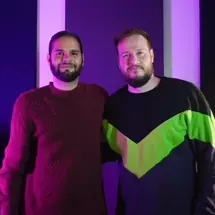
Farid y Diego
Conversaciones que ya teníamos, decidimos grabar y nos gustaría que más gente tuviera acerca de los temas difíciles de la modernidad. Hosted on Acast. See acast.com/privacy for more information.
Let’s stop pretending we desegregated schools
Seventy years after Brown v. Board of Education, Black parents still face an impossible choice about where to send their kids. Gene talks with his twin sister about the different choices they’ve made for their kids, and with historian Noliwe Rooks about why Black families are still stuck choosing between schools that will teach their children and schools that will love them.Support public media with NPR+ and enjoy perks for over 25 podcasts like this one. This show’s perks include sponsor-free listening. Learn more at plus.npr.org.See pcm.adswizz.com for information about our collection and use of personal data for sponsorship and to manage your podcast sponsorship preferences.NPR Privacy Policy
The Lindsay Clancy case and the women we make into monsters
The Lindsay Clancy trial captured the nation this summer, and reactions toward Clancy have been split. The case brought much needed attention to postpartum psychosis, but some question the support Clancy received from the public. This week, we speak with writer Myriam Gurba about why some cases of family annihilation get more attention than others, why we villainize mothers and the parallels with the Latin American legend of La Llorona.Support public media with NPR+ and enjoy perks for over 25 podcasts like this one. This show’s perks include sponsor-free listening. Learn more at plus.npr.org.See pcm.adswizz.com for information about our collection and use of personal data for sponsorship and to manage your podcast sponsorship preferences.NPR Privacy Policy
Chris Brown won't get cancelled. This is why.
When Rep. Jasmine Crockett took the stage at a Chris Brown concert to honor him, the backlash came fast. It's a familiar cycle: every few years, Brown lands back in the news, and the public relitigates a history of violence stretching back to 2009. Gene talks with cultural critic Jamilah Lemieux and writer and DJ Noella Williams about why so many fans stay 10 toes down for him, and what accountability could even look like.Support public media with NPR+ and enjoy perks for over 25 podcasts like this one. This show’s perks include sponsor-free listening. Learn more at plus.npr.org.See pcm.adswizz.com for information about our collection and use of personal data for sponsorship and to manage your podcast sponsorship preferences.NPR Privacy Policy
Do voters want woke?
Lots of progressive politicians eyeing runs for higher office are distancing themselves from the politics of 2020, like Congresswoman Alexandria Ocasio Cortez declaring, "woke 1.0 was crazy." But should they be? Jamelle Bouie of The New York Times says voters are swayed more by identity than ideology — so it's less about the ideas and more about the vibes. We talk to him about who gets read as radical (even if they're not) and whether anyone who isn't a white guy can run as a populist.Support public media with NPR+ and enjoy perks for over 25 podcasts like this one. This show’s perks include sponsor-free listening. Learn more at plus.npr.org.See pcm.adswizz.com for information about our collection and use of personal data for sponsorship and to manage your podcast sponsorship preferences.NPR Privacy Policy
Is Cuba Trump's next real estate project?
Cubans are living through near-constant blackouts after an executive order that called the Cuban government an “unusual and extraordinary threat” to U.S. national security and blocked their fuel imports. A hundred-page State Department report describes Cuba as the puppeteer behind everything from the George Floyd protests to what it calls the rise of antifa. We talk to historians Michael Bustamante and Alexander Hall about the day to day effects of U.S. pressure, why this crisis is old and new at the same time, and why Black Cubans are absorbing the worst of the crisis.Support public media with NPR+ and enjoy perks for over 25 podcasts like this one. This show’s perks include sponsor-free listening. Learn more at plus.npr.org.See pcm.adswizz.com for information about our collection and use of personal data for sponsorship and to manage your podcast sponsorship preferences.NPR Privacy Policy
Why can’t people be normal about the WNBA?
The WNBA is more popular than ever, but the growth has come with a lot of unwanted attention, like protests at games and death threats directed towards players. This week, we talk with independent journalist Frankie de la Cretaz about what brought all of this hate into the league, and NPR’s domestic extremism correspondent, Odette Yousef, about the ways the league is responding.Support public media with NPR+ and enjoy perks for over 25 podcasts like this one. This show’s perks include sponsor-free listening. Learn more at plus.npr.org.See pcm.adswizz.com for information about our collection and use of personal data for sponsorship and to manage your podcast sponsorship preferences.NPR Privacy Policy
Why we’re all being watched
There’s a growing backlash to the surveillance systems that have quietly wired themselves into American neighborhoods, with concern growing among people who have never felt watched this way before. Gene talks with historian Matthew Guariglia about how the surveillance state got built, who it was built on first, and why opposing it now unites so many factions.Support public media with NPR+ and enjoy perks for over 25 podcasts like this one. This show’s perks include sponsor-free listening. Learn more at plus.npr.org.See pcm.adswizz.com for information about our collection and use of personal data for sponsorship and to manage your podcast sponsorship preferences.NPR Privacy Policy
25 years after 9/11, our definition of terrorism continues to expand
In the 25 years since 9/11, we've seen the definition of terrorism expand. The Trump administration has called more and more groups “terrorists,” from “narco-terrorists” in Ecuador to people who protest ICE to the entire Democratic party. This week, our conversation with Saher Selod, an expert on the surveillance of Muslims, about the effects of the war on terror after 9/11, and historian Alex Lubin about how the word “terrorist” has been used to enact violence and surveillance.Support public media with NPR+ and enjoy perks for over 25 podcasts like this one. This show’s perks include sponsor-free listening. Learn more at plus.npr.org.See pcm.adswizz.com for information about our collection and use of personal data for sponsorship and to manage your podcast sponsorship preferences.NPR Privacy Policy
We're Miseducated on Lauryn Hill
Lauryn Hill is a generational voice, a cultural lightning rod, and one of music’s biggest what-ifs. Our very own B.A. Parker joined the Big Lives podcast, hosted by Kai Wright and Emmanuel Dzotsi, to unpack the meteoric rise of the Fugees frontwoman and the intense pressures that pushed one of hip-hop and R&B’s brightest stars out of the spotlight.Find Big Lives wherever you get your podcasts.Support public media with NPR+ and enjoy perks for over 25 podcasts like this one. This show’s perks include sponsor-free listening. Learn more at plus.npr.org.See pcm.adswizz.com for information about our collection and use of personal data for sponsorship and to manage your podcast sponsorship preferences.NPR Privacy Policy
Freedom from fatness: Why GLP-1s go after Black bodies
Ads for GLP-1s are everywhere. This week, we dig into why so many of those ads seem to feature Black women with Sabrina Strings, author of “Fearing the Black Body” a book about the racial origins of fatphobia. We get into the toxic comment culture around everyone from Lizzo to Ariana Grande, and how the origins of body shaming have all led us to this post-body positive moment. Support public media with NPR+ and enjoy perks for over 25 podcasts like this one. This show’s perks include sponsor-free listening. Learn more at plus.npr.org.See pcm.adswizz.com for information about our collection and use of personal data for sponsorship and to manage your podcast sponsorship preferences.NPR Privacy Policy
Banana Ball's racial minstrelsy past
Banana Ball is a barnstorming baseball league revived by the tremendously popular Savannah Bananas, a team with millions of followers on TikTok and Instagram — known as much for their dance routines and shenanigans as their actual baseball. Recently the league resurrected the Indianapolis Clowns, a Negro League team with a contentious history of racial minstrelsy. We talk with journalist Josh Levin, who followed the Clowns through their Banana Ball debut.Support public media with NPR+ and enjoy perks for over 25 podcasts like this one. This show’s perks include sponsor-free listening. Learn more at plus.npr.org.See pcm.adswizz.com for information about our collection and use of personal data for sponsorship and to manage your podcast sponsorship preferences.NPR Privacy Policy
Unpacking estrangement: Who goes No Contact?
Is there a family estrangement epidemic? This week, we dig into what’s behind the no-contact movement with sociologist Rin Reczek, author of the new book, “Families We Lose.” Rin walks us through who gets cut off, why the numbers look so different for Black mothers and Black fathers, and how we can start rethinking what family means.Support public media with NPR+ and enjoy perks for over 25 podcasts like this one. This show’s perks include sponsor-free listening. Learn more at plus.npr.org.See pcm.adswizz.com for information about our collection and use of personal data for sponsorship and to manage your podcast sponsorship preferences.NPR Privacy Policy
Our Ancestors Were Messy: a Black history comedy show
In 1775, half a million enslaved people had to pick a side in a war between two groups of white men who both claimed to want freedom. In this live episode of Our Ancestors Were Messy, friend of the show, Nichole Hill takes B.A. Parker and Gene Demby through the choices one man made – from a South Carolina plantation, to the British lines, to Nova Scotia, to Sierra Leone. It's a choose-your-own-adventure through history where there are no great options.Support public media with NPR+ and enjoy perks for over 25 podcasts like this one. This show’s perks include sponsor-free listening. Learn more at plus.npr.org.See pcm.adswizz.com for information about our collection and use of personal data for sponsorship and to manage your podcast sponsorship preferences.NPR Privacy Policy
Trump is demanding English — while defunding ESL
Last year President Trump made English the official language of the United States. Then his administration moved to zero out the federal money that teaches it. But even fully funded, those programs reached fewer than five-percent of the 25 million adults in this country still learning English. Code Switch producer Xavier Lopez watched his own parents struggle to learn the language when he immigrated here as a kid. Now, Xavier reports on how adult English language classes are about much more than learning the English.Support public media with NPR+ and enjoy perks for over 25 podcasts like this one. This show’s perks include sponsor-free listening. Learn more at plus.npr.org.See pcm.adswizz.com for information about our collection and use of personal data for sponsorship and to manage your podcast sponsorship preferences.NPR Privacy Policy
Jay-Z has F-you money. Is he saying it to the wrong people?
Jay-Z says he's a business, man. He sold out Yankee Stadium for three nights, and used the stage to answer everyone calling him a sellout. The billionaire released the 30th-anniversary edition of his debut album about hustling his way to independence as a Target exclusive in the middle of a boycott many Black organizers say never ended. We dig into how this is what Jay-Z has been selling his whole career -- it’s how Black excellence and Black capitalism get fed to us as the same thing.Support public media with NPR+ and enjoy perks for over 25 podcasts like this one. This show’s perks include sponsor-free listening. Learn more at plus.npr.org.See pcm.adswizz.com for information about our collection and use of personal data for sponsorship and to manage your podcast sponsorship preferences.NPR Privacy Policy